
How to Keep a Worcester Triple-Decker Apartment Clean (Room by Room)
· By Marie Pierre
Walk down almost any street in Vernon Hill, Grafton Hill, Main South, or Quinsigamond Village and you will see them: the three-story wooden triple-deckers that housed generations of Worcester factory workers and still make up a huge share of the city’s homes today. They are practical, roomy, and full of character, and they also have a few quirks that make cleaning them a little different from a modern apartment or a single-family house.
This guide walks through the parts of a triple-decker unit that take the most effort, from the back stairs to the radiators, and shares a simple routine that keeps the whole place feeling fresh. Whether you rent one floor near WPI or Clark, or own the whole building and live on the first floor, these tips will save you time.
Why triple-deckers are different to clean
Most triple-decker units follow a similar layout: a long hallway or a chain of rooms running front to back, a kitchen at the rear, one bathroom, and a front and back porch. Many were built in the late 1800s and early 1900s, so you will often find original hardwood floors, wood trim and doors, plaster walls, cast iron radiators, and windows that have been replaced or painted over the years.
Those details are beautiful, but they collect dust in ways newer homes do not. Radiators trap lint and pet hair, painted trim catches grime at hand height, and older floors have seams and gaps where dirt settles. Add shared entries and steep back stairs that everyone uses, and you have a home where a quick wipe-down is not quite enough.
The kitchen: small space, heavy use
Triple-decker kitchens tend to be compact, which means every surface gets used. Grease from the stovetop settles on the cabinets above it, the backsplash, and the top of the refrigerator. Once a week, wipe the stovetop and the cabinet fronts closest to it with a degreasing cleaner, and clean the sink and faucet so they do not build up hard-water spots.
If you have a glass or ceramic cooktop, use a cleaner made for that surface and a non-scratch pad. Burned-on spills come off much more easily if you soften them with a warm damp cloth for a few minutes first. Every month or two, pull out the stove drip area, clean under the toaster and microwave, and wipe the top of the fridge, which is where most kitchen dust hides.
The bathroom: older fixtures need gentle care
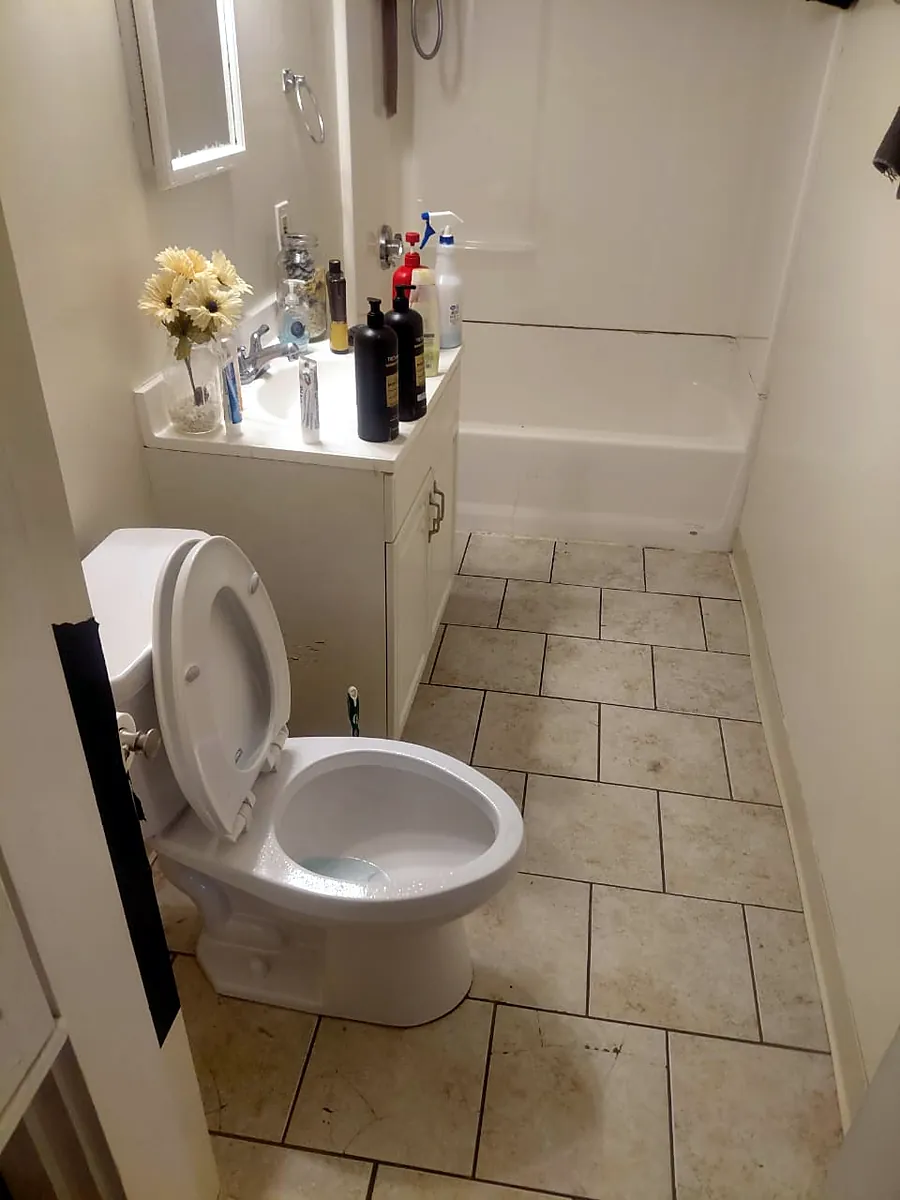
Many triple-decker bathrooms have been updated piece by piece, so you may have an older tub with a newer vanity, or original tile with newer grout. Older porcelain and tile can scratch or dull with harsh abrasives, so stick to a non-scratch bathroom cleaner and a soft brush for weekly cleaning.
The spots that build up fastest are the base of the tub, the shower caulk line, behind the toilet, and the floor around it. A quick daily squeegee or wipe of the shower walls makes a big difference in a room that often has limited ventilation. If your bathroom has no exhaust fan, open the window for a few minutes after showers to slow down mildew.
Radiators, trim, and hardwood floors
Radiators are dust magnets. Before the heating season starts in October, use a vacuum with a narrow attachment or a long radiator brush to clear the fins, then wipe the surface with a damp cloth once it is cool. Cleaner radiators also smell better when the heat first kicks on.
For painted trim and doors, a soft cloth with warm water and a little dish soap removes most fingerprints and scuffs without damaging the paint. Hardwood floors in older units do best with a dry dust mop or vacuum on a hard-floor setting a few times a week, then a barely damp mop with a wood-safe cleaner. Too much water can seep into gaps and swell old boards.
Stairs, porches, and shared spaces
Back stairs and front hallways carry sand, salt, and mud straight into the units, especially from November through March. A sturdy mat at the bottom of the stairs and another at your apartment door will catch most of it. Sweep or vacuum the stairs weekly in winter and wipe the railings, which see constant hand traffic.
If you share entries with other tenants, it helps to agree on a simple rotation or to split the cost of a periodic professional clean of the common areas. Landlords who own the building often schedule a common-area cleaning on a set rhythm so tenants know what to expect.
A simple weekly routine that works
Most triple-decker apartments stay in good shape with a routine like this: once a week, clean the bathroom, wipe kitchen counters, stovetop, and sink, dust reachable surfaces and radiators, and vacuum and mop the floors. Every month, add the inside of the microwave, the top of the fridge, baseboards, and the stair railings. Twice a year, plan a deeper clean that includes windows, light fixtures, and behind furniture.
If keeping up with that list is hard with your work schedule, a recurring cleaning every one or two weeks covers the weekly items and leaves you only the daily basics. A one-time deep clean is a good reset before starting a recurring plan, after a long winter, or before moving in or out.
Frequently asked questions
- Do you clean triple-decker apartments in Worcester?
- Yes. Bella Shine Cleaning Services is based in Worcester and cleans apartments, triple-decker units, houses, and small offices across the city and nearby towns. Call or text (508) 365-9252 for a free estimate.
- Can landlords book cleaning for a unit between tenants?
- Yes. Our move-in and move-out cleaning is designed for empty units, including inside cabinets, appliances on request, bathrooms, and floors, so the apartment is ready for the next tenant.
- How often should a triple-decker apartment be cleaned?
- Most households do well with a professional clean every one or two weeks, plus quick daily tidying. Homes with pets, kids, or allergies usually benefit from weekly visits.
Related services
Serving
Ready for an exact price?
Get a free, no-pressure in-home estimate. Real numbers for your home, not a phone guess.